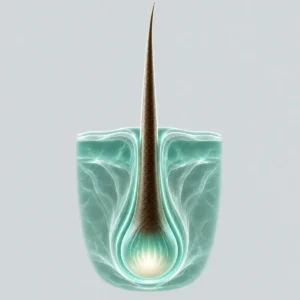
 Growing
Most of your hair, most of the time
A hair can keep growing for years. In pattern hair loss, this stage gets shorter and each new hair comes back finer.
 Healthy follicle
Shrinking follicle, finer hair
Receding temples, a thinning crown or more hair in the shower: find out what is behind it. A doctor registered in Spain reviews how it began, explains the likely cause and goes through treatment, tests or an in-person examination with you.
€39online consultation, tests and treatment not included
Where are you noticing it?
Most hair loss starts here. Knowing which part has changed is what points to the cause.
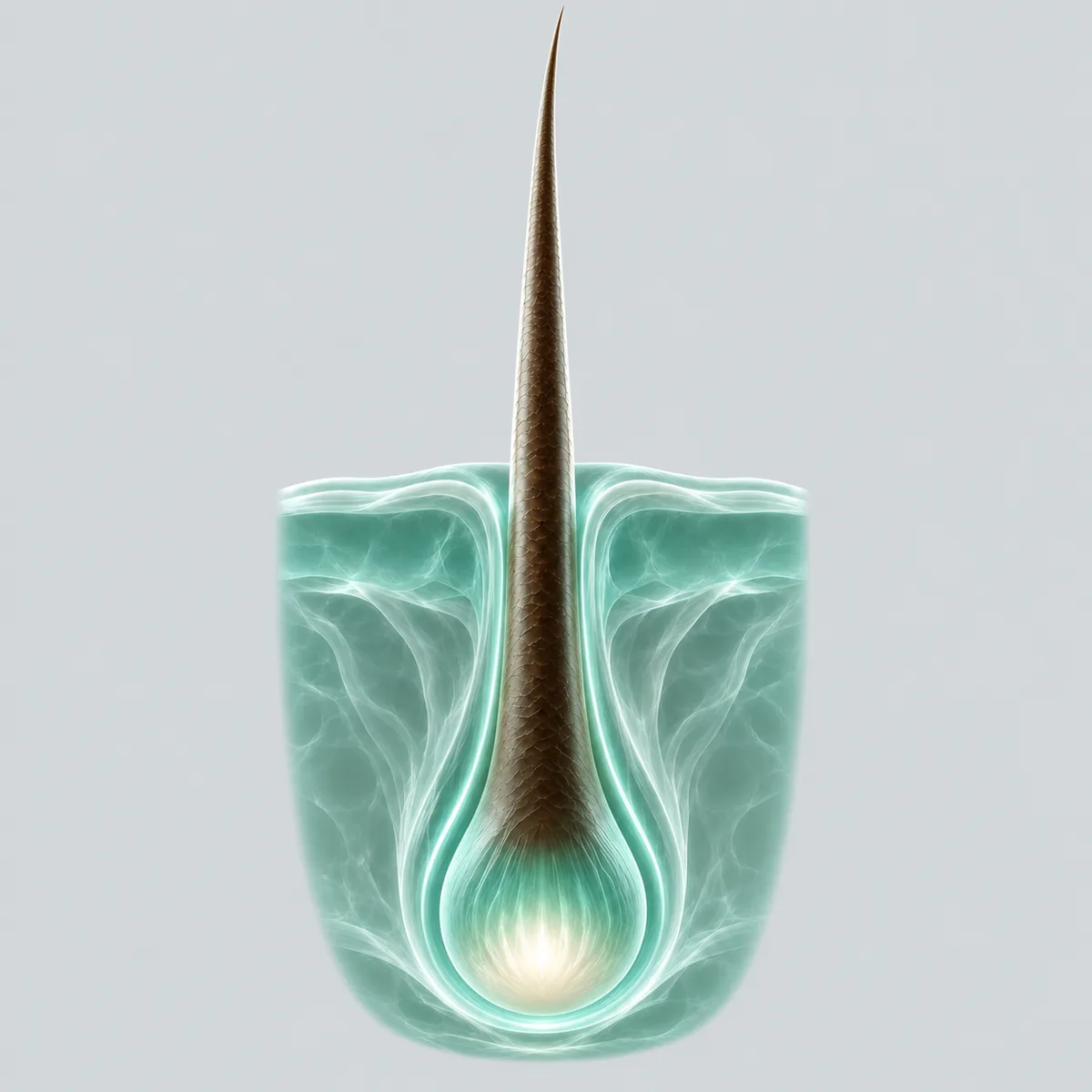
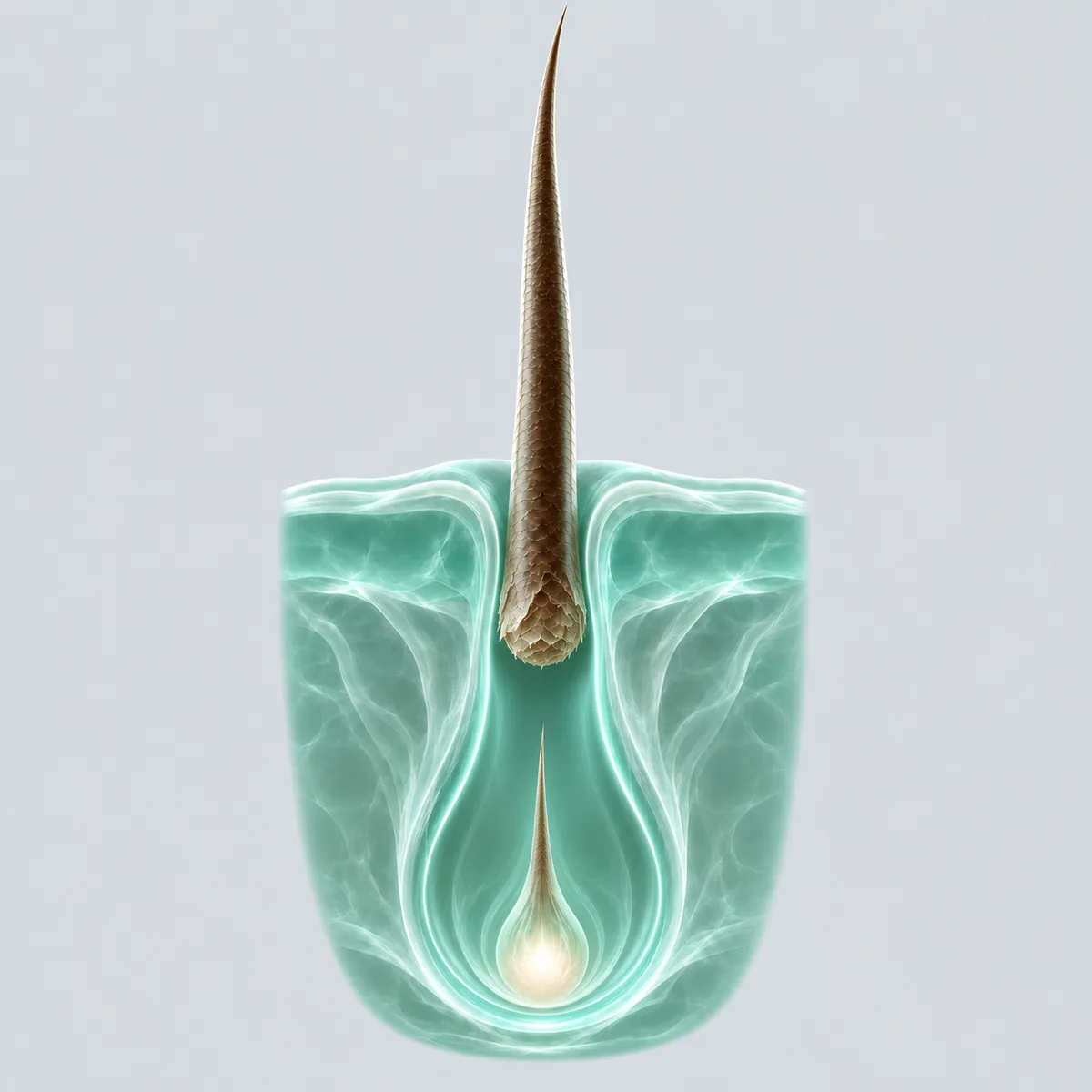 Growing
A hair can keep growing for years. In pattern hair loss, this stage gets shorter and each new hair comes back finer.
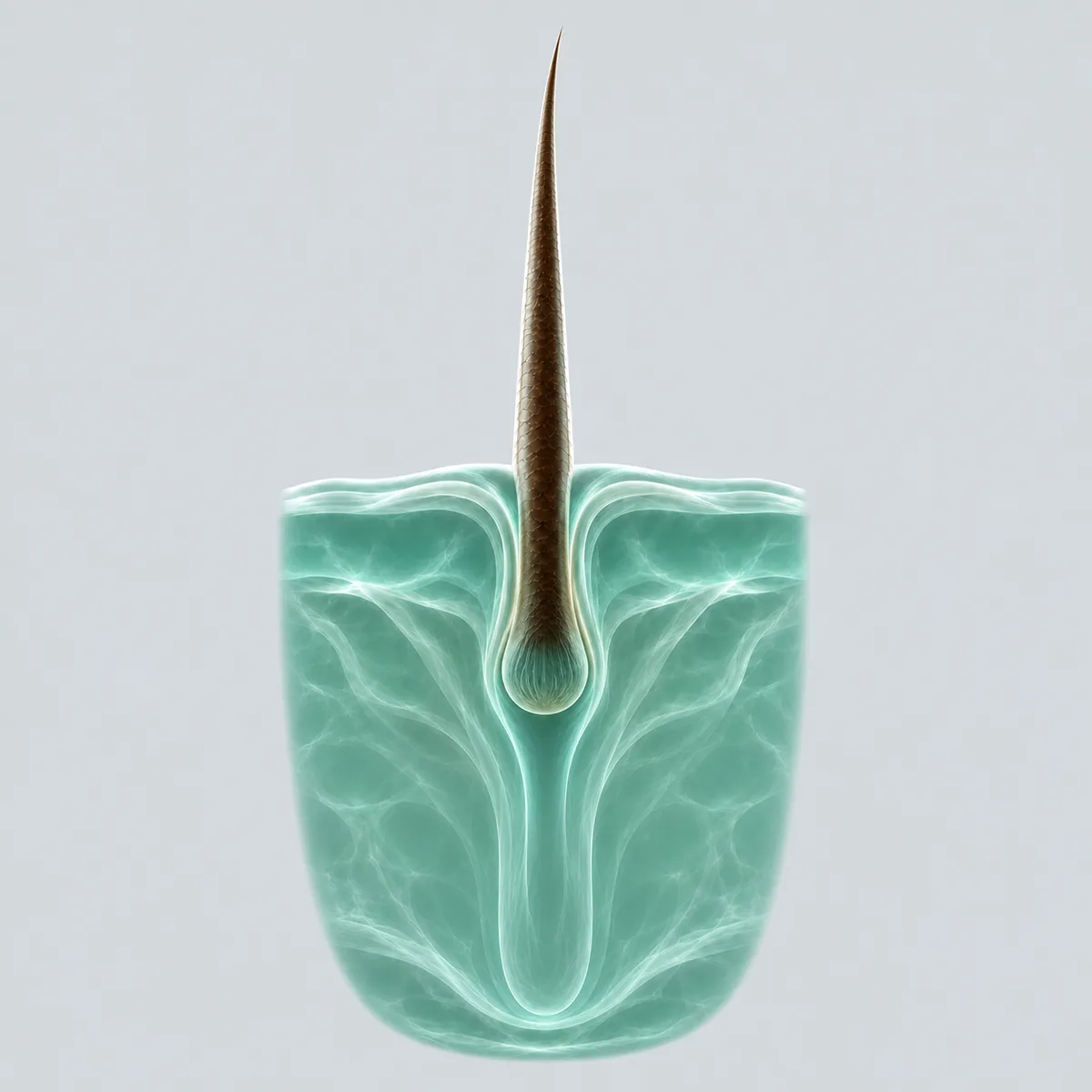
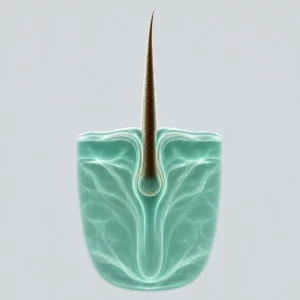 Changing
The follicle shrinks and the hair stops growing. This stage is short.
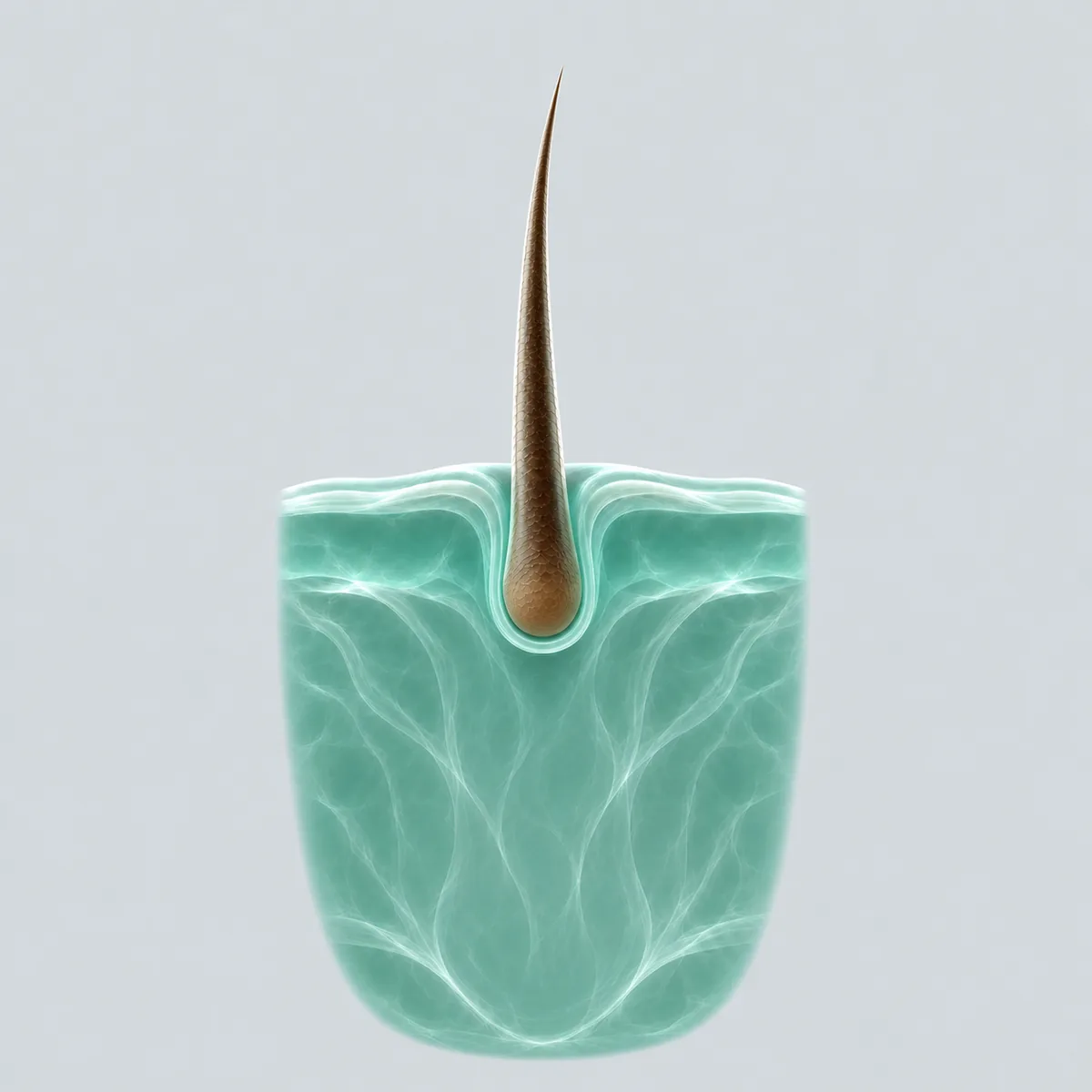
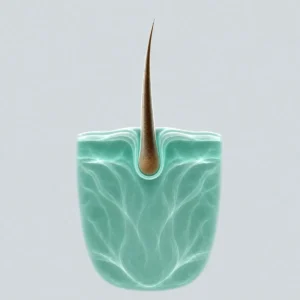 Resting
After illness, stress or weight loss, many hairs can move into rest together. You usually notice it later, not at the time.
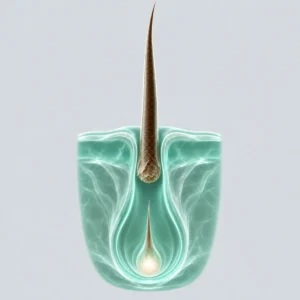 Shedding
A new hair then starts in the same follicle. Losing some hair every day is normal.
Pick the closest pattern to see what can cause it and what is useful to tell a doctor. This cannot diagnose your hair loss.
Slow changes at the temples or crown can fit male pattern hair loss, which usually runs in families. A doctor will still ask about timing and your general health.
Bring an older photo if you have one.
Hair coming out across the whole head can follow illness, stress, weight loss or low iron, and it can be temporary. A doctor will ask what happened in the months before it began.
Note any illness, weight loss or new medicine.
A round or uneven bare area has different causes from gradual thinning, so it is worth having it looked at. Some patches need a closer scalp examination.
Take a clear photo and note when you first saw it.
Itching, pain, scaling or redness point to the scalp itself. These often need a closer look than a video call allows.
Tell the doctor what you have already used on your scalp.
Sudden or severe loss, scalp pain, scarring or other symptoms can need an in-person examination or tests.
There is no single treatment for every pattern. These examples explain the conversation a doctor may have after assessing the cause. They are not products supplied or promised here.

A solution applied to the scalp that may help some men with pattern hair loss.

A daily 1 mg tablet indicated for the early stages of male pattern hair loss in men aged 18 to 41. It needs a medical assessment first.
| Topic | Topical minoxidil | Oral finasteride |
|---|---|---|
| Form | Solution on the scalp | 1 mg tablet |
| How often | Usually twice a day | Once a day |
| Time to respond | Usually months | Generally 3 to 6 months |
| Who it is for | Some men with pattern hair loss | Men aged 18 to 41, early stages |
| If you stop | Any effect fades | Any effect fades |
A starting point for a proportionate plan, including in-person care when that is needed.

English Doctor is not an emergency service. In an emergency, call 112.
A doctor can review your history and visible pattern, especially by video. Some cases still need an in-person scalp examination, blood tests or specialist assessment.
Only when clinically appropriate. A prescription is not guaranteed, and some causes need investigation or monitoring instead.
Established treatments for pattern hair loss can take several months to show an effect, and responses vary. Your doctor can discuss realistic expectations.
No. Some forms are temporary, while others may be ongoing. Understanding the cause is the first step.
Sexual side effects, such as lower sex drive or erection problems, are listed in the product information. Your doctor goes through side effects with you before you decide.
No. The fee covers the consultation. Tests and any medicine are paid for separately.
Discuss hair loss in English with a doctor registered in Spain. Online consultation €39, Monday to Friday, 09:00–17:00 Spain mainland time.
Book a consultation